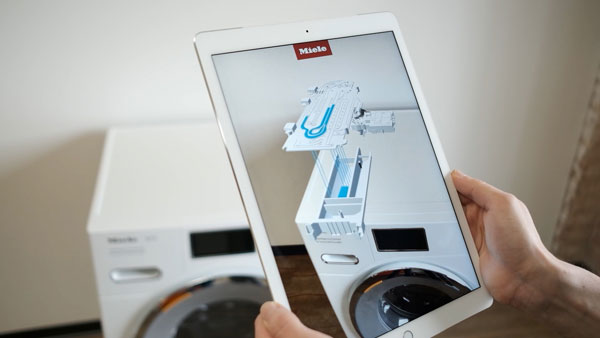
Virtual reality (VR) means complete immersion in a virtual world. By putting on a VR headset, the real environment disappears and the users find themselves in a completely different environment.
Virtual reality offers perfect opportunities to create a playful experience, configure products, or present large systems and machines in a small space. A VR application is immersive, virtual, and interactive. And above all, always an impressive experience.
Interested? We would be happy to advise you directly on site at our studio in Bielefeld, at your location, or conveniently remote.
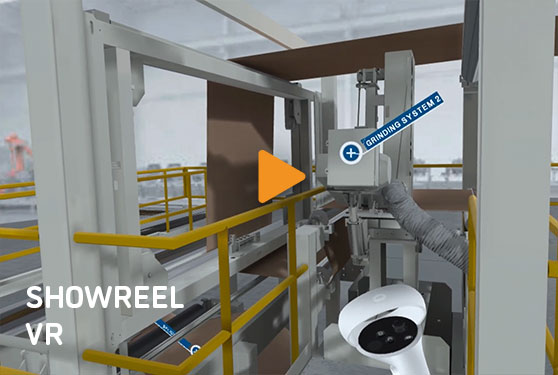
You decide from which perspective you view things. Turn around, move through the space or crouch down. Your perspective follows your movements. A consistent audio environment completes the experience.
It does not matter whether the application takes you to the moon, into the deep sea, or into a production hall. Virtual reality offers limitless possibilities. This is customer engagement on a completely new level.
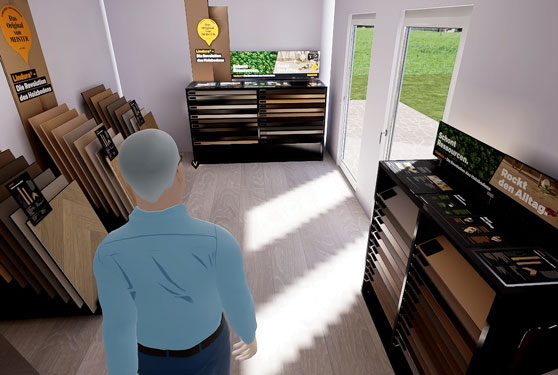
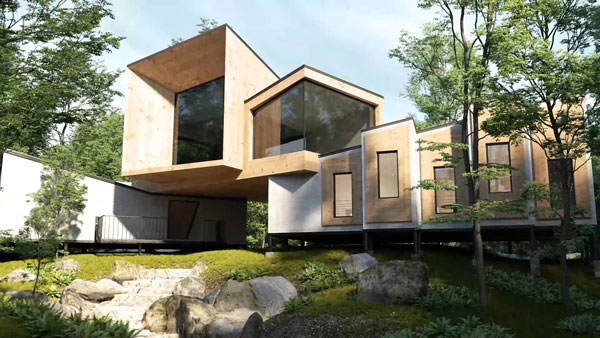
Virtual usually means “built in 3D.” This can be an entire world, a house, a room, or even your product.
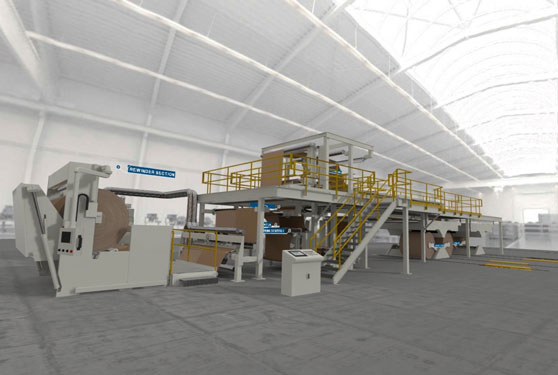
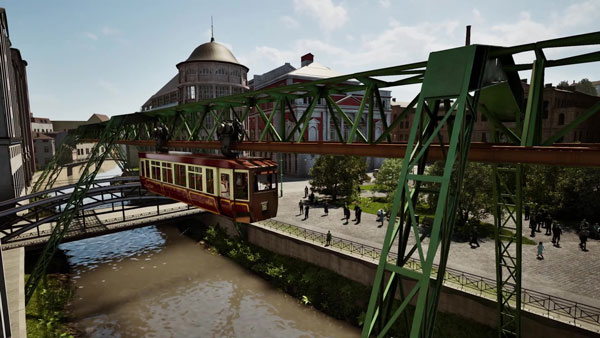
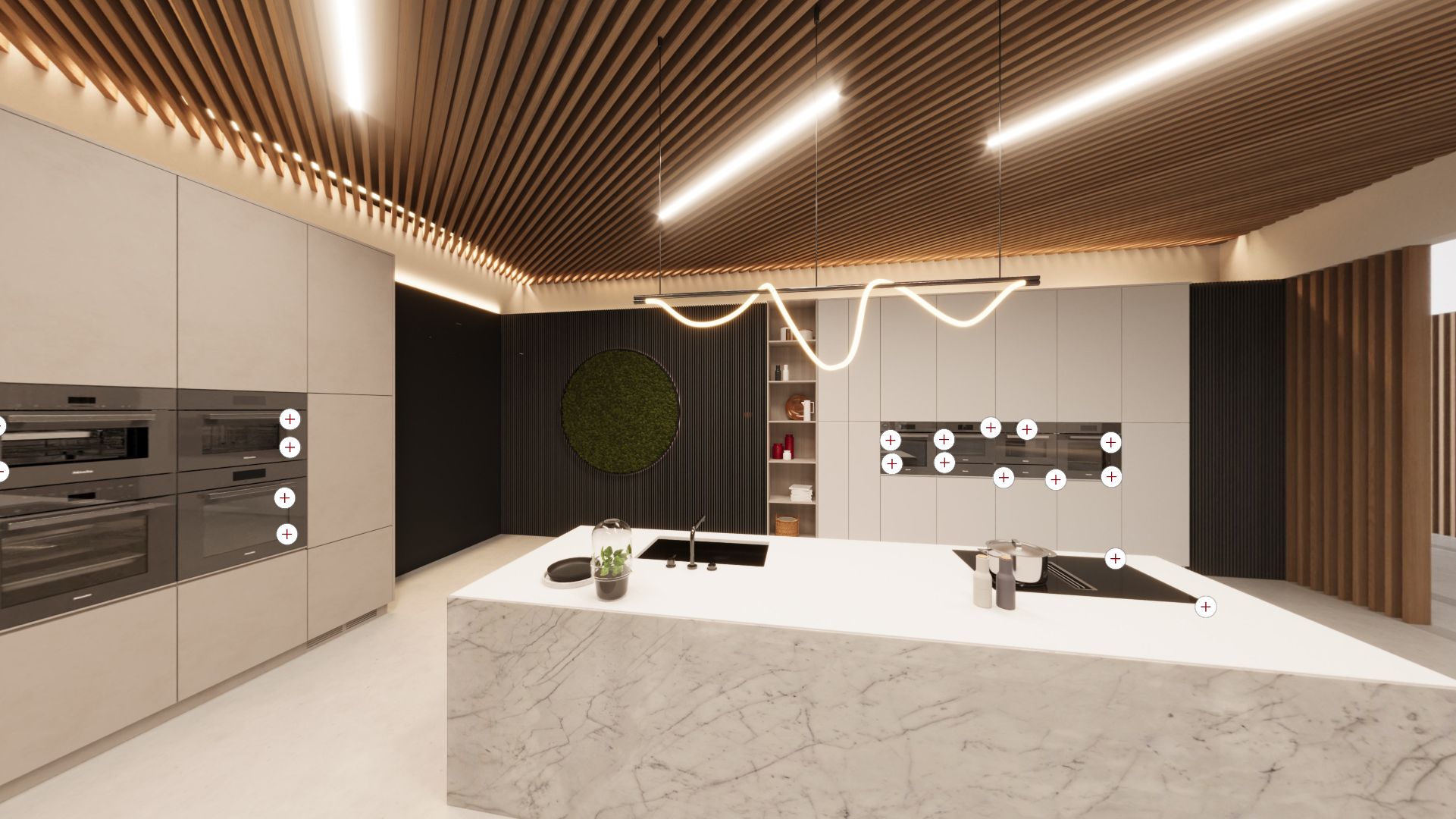
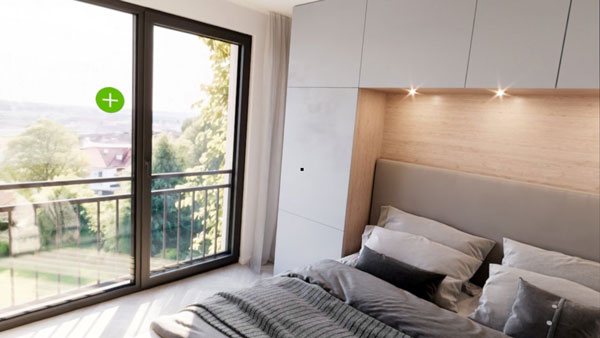
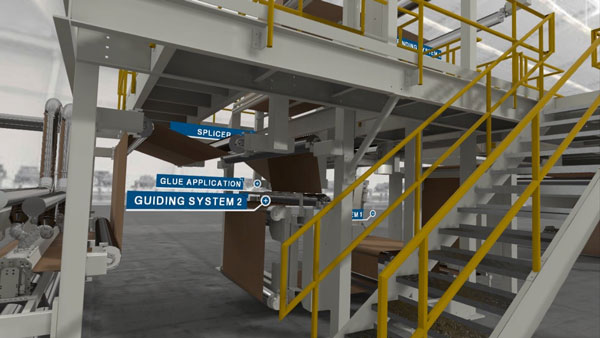
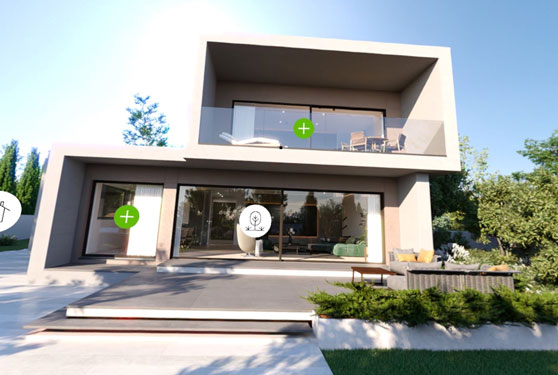
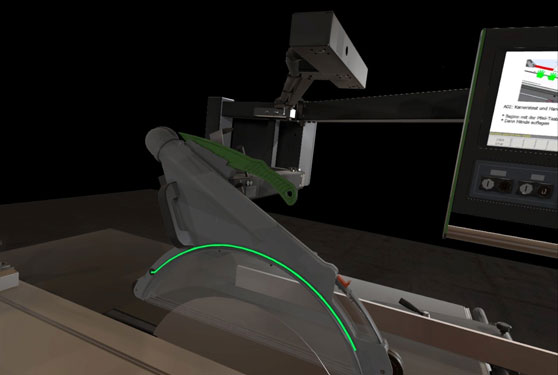
Our VR agency has already produced trade fair booths, showrooms, living environments for furniture presentations, machines, and even a historical city tour including virtual fellow travelers as VR applications. In addition to the 3D environment, 3D animations can also be integrated to show processes or features. Give your customers a look inside your devices or show details that are actually invisible.
A 360° video production is also considered virtual, which can be used as an environment for a VR application.
How interactive a VR application is depends on the form of implementation. In a simple production, the user can rotate 360° in a virtual environment and experience the space. There are often navigation points to move through the space, start animations, or retrieve additional information.
Real-time 3D is particularly suitable for VR applications real-time 3D. This makes it possible to move and interact completely freely in space.
In some applications it is completely sufficient for the user to simply be able to look, in other cases it is important that they become active. The user can grasp with both hands, move objects, operate devices or carry out repair steps.
To make the experience even more realistic, haptic feedback can even be integrated so that vibrations or resistance provide feedback on interactions.
Our VR agency has the right solution for every project.
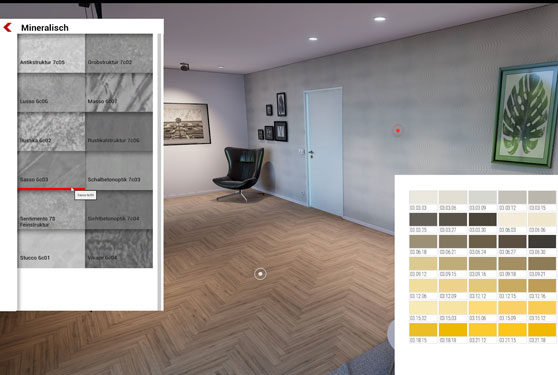
Real-time 3D is a form of visualization that actively involves the user. In parallel with the user’s actions, images are calculated and “streamed” to the end device. Not as a pre-rendered animation, but always individually controlled by the user. The range of applications is diverse. The most well-known example is computer or mobile games. However, this technology is also perfectly suited for product presentations on the web, VR or AR applications. Starting with simple representations of a product that the user can rotate and examine, all the way to entire worlds with which the user interacts. Complex technical processes inside machines can be visualized just as well as walkthroughs of planned construction projects. When it comes to interactivity, real-time can basically do almost anything.
The classics are product presentations, architectural visualizations, showrooms, and virtual trade fair booths. But virtual reality is also useful outside of advertising and marketing. In product development, virtual reality is an alternative to costly physical prototypes.
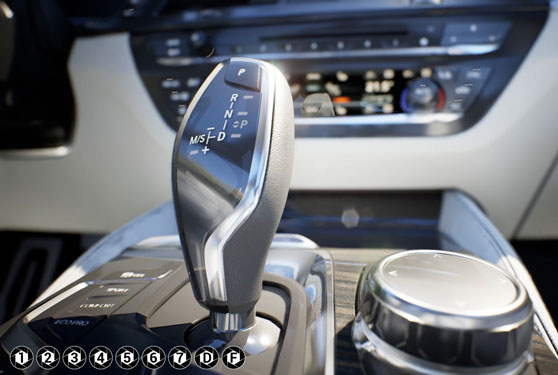
Virtual reality enables the early detection of design and development errors. As in a multiplayer game on a PC, several people can also participate in a session at the same time. In front of you is a 3D model that you can walk through and view together, whether it is a production line or an accessory part. This facilitates coordination processes, especially when not all participants are in the same location. Virtual reality can also be used excellently as a training tool. Technical staff can learn on the device or a machine, whether it is operation or repair steps. Location-independent and completely without a real object.
People and characters can bring a VR application to life. Whether they are a fictional part of the story or presentation, or real participants using a VR application live and being represented there as avatars.

Since the representation is virtual, the challenge lies in making the characters look and move as naturally as possible. We use various technical approaches for this. Either we film people and track all movements as well as facial expressions, and then use this data to create a 3D character. Or, when it comes to real people participating live in a VR event, there are ways to track their facial expressions using a smartphone camera and transfer them directly to the avatar in the application.
VR & AR both belong to immersive media. This means that both technologies make it possible to immerse oneself in another world. With virtual reality (VR), the real world disappears completely, whereas with augmented reality (AR), the real environment is enhanced with virtual elements. The most well-known example of this is probably the game app “Pokémon GO”. Interested in augmented reality? Then go here: Augmented Reality
There is now a wide range of different hardware for virtual reality. Whether Meta Quest, HTC, Vive, Varjo or Pimax. Each system offers advantages and disadvantages.
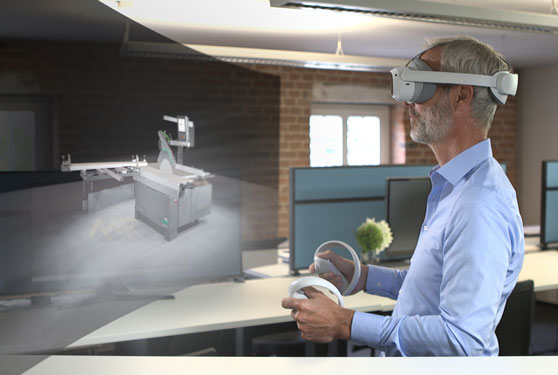
One is mobile and can be used independently of location. The other requires a setup but can, for example, include treadmills or moving seats. Sometimes a PC is required, sometimes everything runs via an app. Our VR agency consists of specialists who know exactly which technology is best suited for your project.
Virtual Reality refers to a computer-generated, three-dimensional environment that users fully immerse themselves in using a VR headset. The real environment disappears, and users experience a virtual 360° world where they can look around and interact—almost as if they were physically there.
A VR application is displayed using specialized hardware such as headsets and controllers. A 3D environment is rendered in real time and displayed via a VR headset. Sensors capture head and hand movements so that the virtual world adapts in sync with the user’s actions. A powerful software engine (e.g., Unity or Unreal) controls graphics and interactions, while high frame rates ensure a realistic and immersive experience.
VR is used in many areas:
VR makes content and products tangible, presents information clearly, and supports decision-making processes. It enables location-independent presentations and training. The immersive nature often leads to better learning outcomes and higher retention.
Most VR applications only require appropriate hardware and a free area for safe movement. Larger installations may require more space or additional equipment.
There are many standalone VR headsets as well as PC-connected systems for more complex applications. Key factors include performance, mobility, and the type of content. We are happy to advise you on the right technology for your project.
Key cost factors include both hardware and content development. The cost of a professional VR application varies depending on scope and complexity.
VR has long moved beyond gaming. Companies use it for product presentations, virtual tours, employee training, simulations, architectural visualizations, and even virtual meetings.